How to Plant Bluebell Bulbs in a Woodland Garden
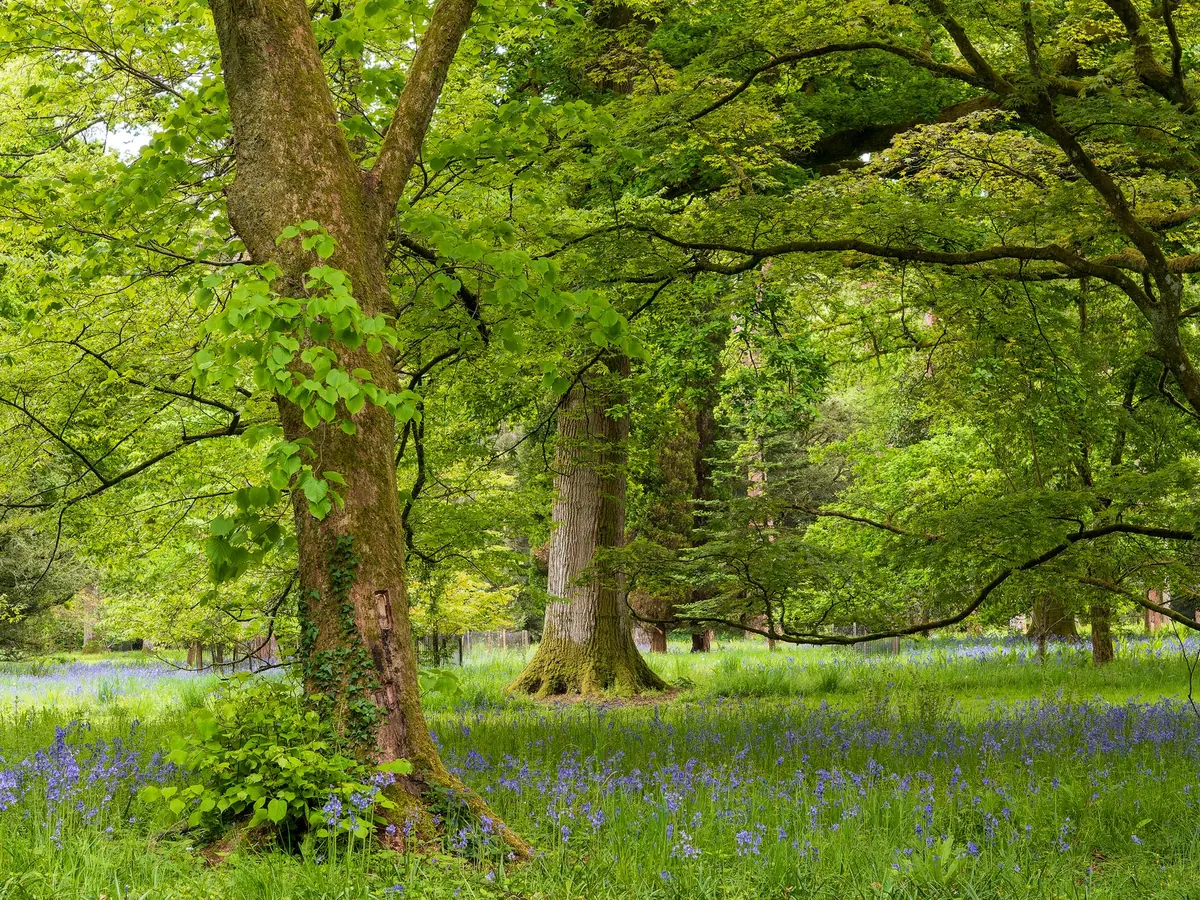
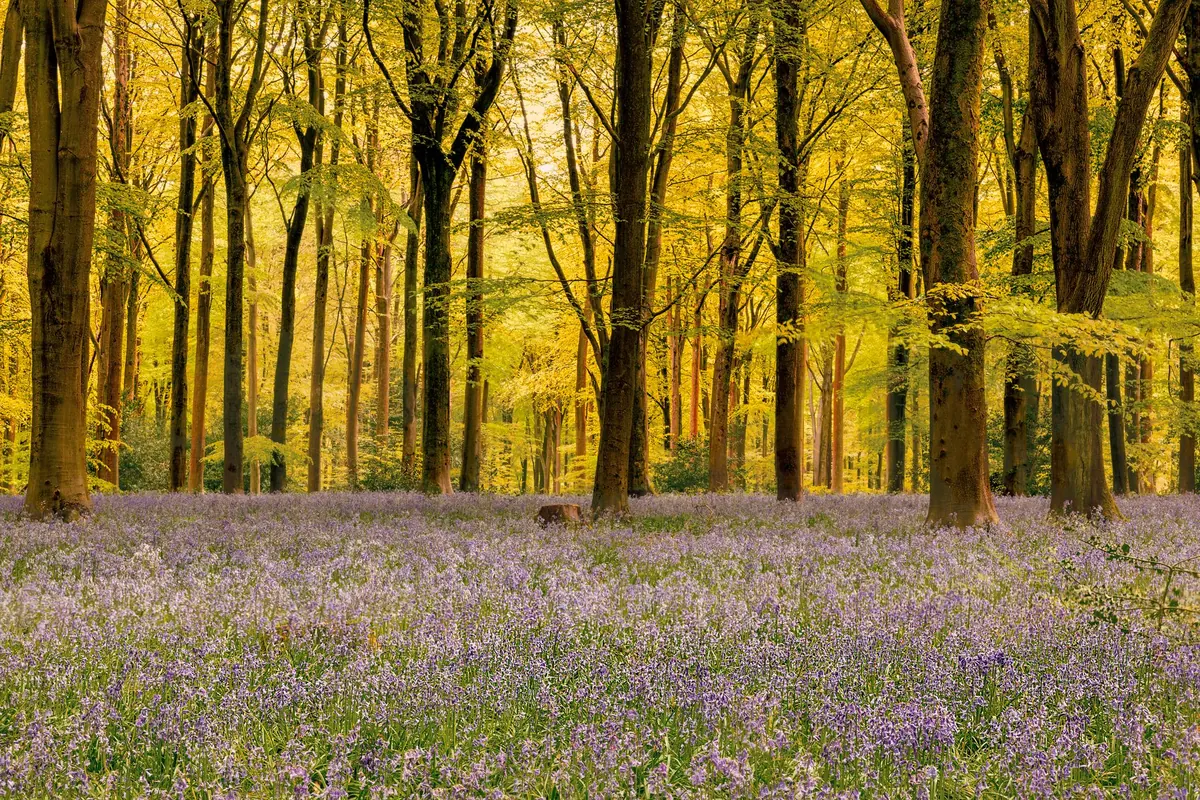
Bluebells look better in a crowd than on their own. A single bulb is easy to miss; a drifting colony under an oak, turning the ground blue in late April, is the kind of thing people plan walks around. You can make that happen in your own patch of trees, and you don't need acres. You need the right bulbs, the right timing, and a willingness to wait three or four springs for the full effect.
The method below suits a small woodland garden, a row of mature fruit trees, or a shaded corner under hazel or birch. It follows how bluebells behave in the wild: they grow hard and flower early, then vanish underground before the trees above them finish leafing out.
Why Bluebells Suit Deciduous Trees
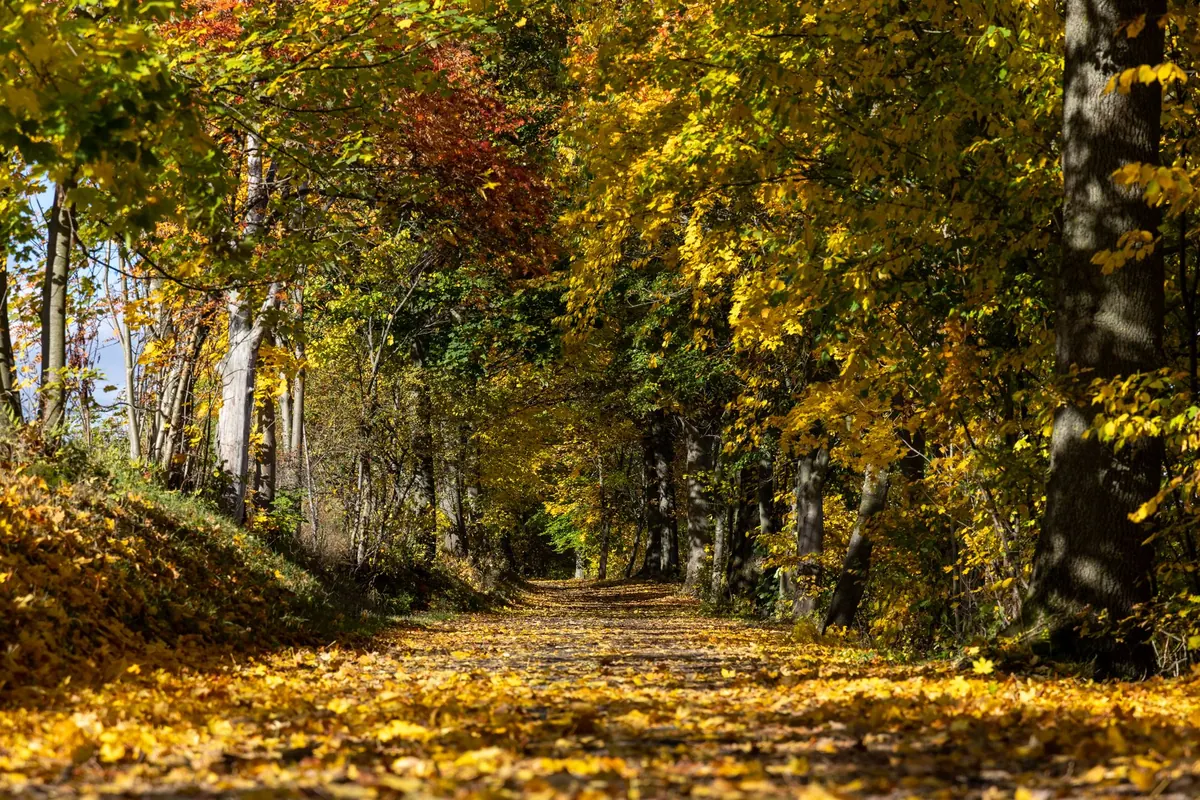
Native bluebells, Hyacinthoides non-scripta, are built around a narrow window of light. In March and early April the canopy is still bare, so the woodland floor gets several weeks of bright, filtered sun. The bulbs use that light to push up leaves, flower and store energy for next year. By the time the trees close over in late May, the bluebells have done their work and are retreating below ground.
That means the deep summer shade under a deciduous tree is not a problem — it's part of the plan. Three things do matter: spring light, soil that stays damp through winter and early spring but drains freely, and a layer of fallen leaves that feeds the ground slowly. Oak, ash, beech, hornbeam, hazel, apple and cherry all work well.
What bluebells dislike is dense evergreen shade, compacted ground, water that sits through winter, and a lawn that gets mown in May. Get those wrong and the bulbs will sulk, flower poorly, or rot.
Check Your Site Before You Buy a Single Bulb
Spend twenty minutes on this and you'll save yourself a wasted autumn. Dig a spade-depth hole in the spot you have in mind and fill it with water. If it drains away within an hour or so, drainage is fine. If it's still full the next morning, choose somewhere else or plant on a slight mound of improved soil.
Signs you've found a good spot:
- Dappled sun or light shade through bare branches in March and April
- Soil that crumbles in the hand and smells of leaf mould
- A natural layer of fallen leaves you can rake aside and replace
- Ground clear of thick ivy, bramble or ground elder
- Grass that can be left unmown from March to July
If your chosen patch is smothered in ivy or ground elder, clear it first and plant the following autumn. Bluebells are tough once established, but they can't compete with a mat of perennial weed roots while they're settling in.
Choose Native Bluebell Bulbs
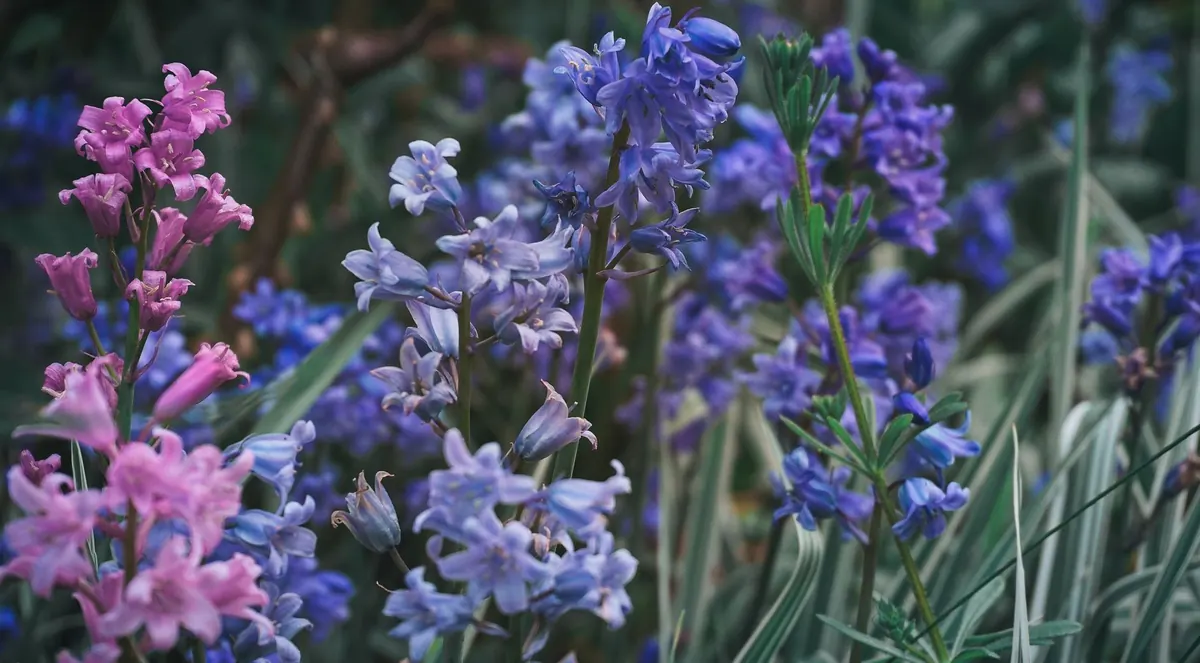
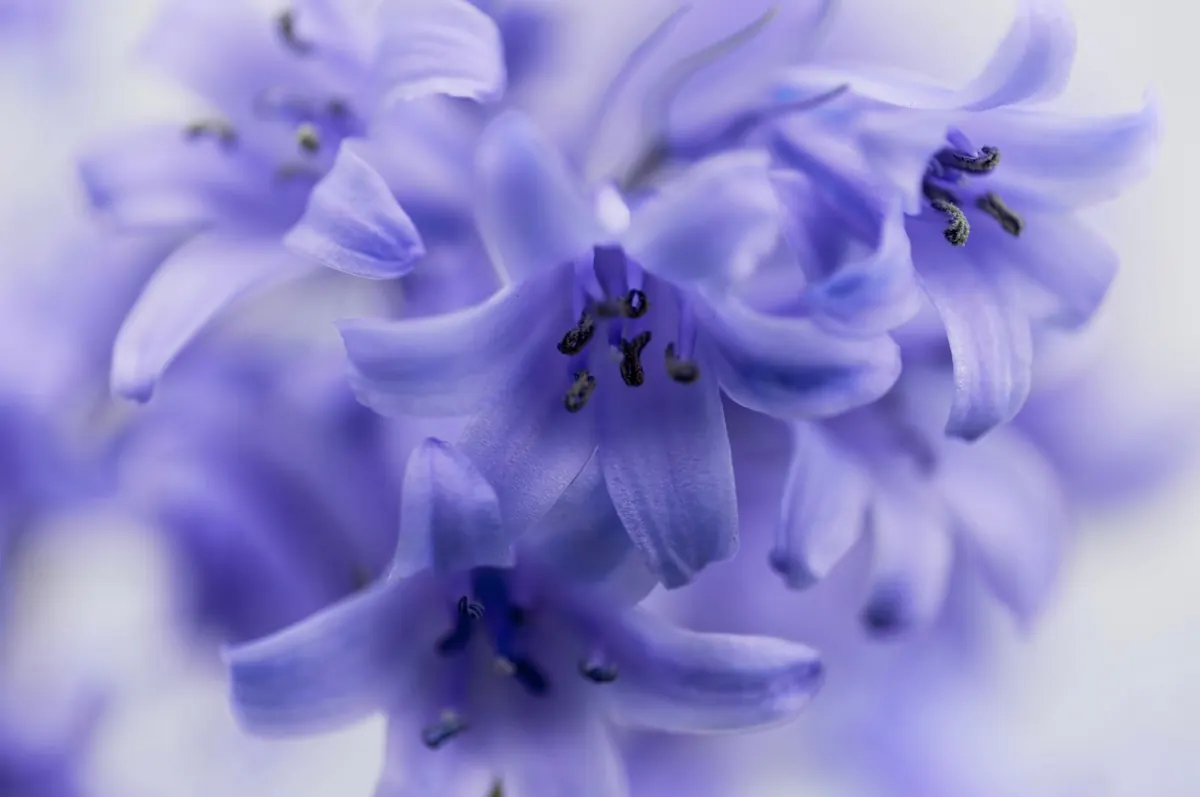
Ask for native bluebell, sometimes sold as British bluebell. It's the plant with narrow strap-like leaves, deep violet-blue flowers hanging from one side of an arching stem, creamy white pollen and a sweet, faintly honeyed scent. Spanish bluebells and their hybrids look similar at a glance but carry flowers all round a stiffer, more upright stem, often in paler blue, pink or white, with blue pollen and virtually no scent. Their leaves are broader and their growth more vigorous.
The difference matters. Spanish bluebells cross freely with natives, and the offspring gradually swamp the native strain in gardens and nearby countryside. If you want the real thing, buy from a nursery that states the species clearly.
In the UK, wild bluebells are protected by law — digging bulbs from woods, verges or any wild ground is not an option. Buy cultivated stock instead. Bulbs are sold two ways: dry bulbs in autumn, which are cheap and reliable, and "in the green" in late spring, lifted with leaves and roots intact. In-the-green plants cost more but establish faster and flower sooner. If you buy them, plant them within a day or two.
When to Plant
Dry bulbs: September to November, while the soil is still warm enough for roots to form but before it freezes or turns to mud. October is the sweet spot in most temperate gardens. Bulbs planted in December usually survive, but they flower a season later.
In the green: late May and June, straight after flowering. Don't let them dry out in a bag on the kitchen table.
Skip planting if the ground is frozen or waterlogged. Wait for a better week rather than forcing a bulb into cold, sodden clay.
Planting, Step by Step
- Clear the area of grass, ivy runners and perennial weed roots. Rake the fallen leaves to one side.
- Fork over the top 20 cm of soil, breaking up any pan or compaction. Work in a few handfuls of leaf mould or garden compost. Skip fresh manure — it's too rich and can burn bulbs.
- Set bulbs at least 10 cm deep and 10–15 cm apart. Deeper is safer than shallower; shallow bulbs heave out of the ground in frost and dry out in summer.
- Plant with the pointed tip up and the flat base down. If you can't tell which end is which, lay the bulb on its side — it will right itself.
- Firm the soil gently with your hands, then water the area well. Don't stamp on it.
- Plant in drifts rather than rows. Take a handful of bulbs, toss them lightly across the ground, and plant each one where it lands. Curves around tree trunks always look more convincing than straight lines.
- Mark the patch with a few short sticks or discreet labels, so you don't dig it over or sow on top of it before the shoots appear.
Groups of twenty or thirty bulbs read as a clump. If you're working along a line of trees, repeat the same loose drift every few metres and let them meet up over the years.
Looking After Them After Planting
The single most important rule is to leave the leaves alone. After flowering, the foliage spends about six weeks feeding the bulb for next spring. Cut it, mow it or tie it in knots and you lose the following year's flowers. Wait until the leaves have yellowed and collapsed, usually late June into July, before tidying anything.
If bluebells grow in grass, mow a path and leave the rest. Once the leaves have gone limp and brown, the area can be cut short and treated like any other lawn until next spring.
A light mulch of leaf mould in autumn is all the feeding they need. Avoid high-nitrogen fertiliser, which encourages soft leaves that flop. Clumps can be lifted and split every few years, right after flowering, and replanted immediately at the same depth. Squirrels sometimes scratch around newly planted bulbs, but firm soil and a covering of leaves discourages most of it. Slugs rarely do serious damage to established plants, though young shoots are worth watching in a wet spring.
What to Expect in the First Three Springs
Don't judge the planting by its first year. Seed-raised and newly planted bulbs often produce a few leaves and a single flower, or nothing at all, in the first spring. The second year is better. By the third, the drift should start to read as a drift rather than a row of dots, and seedlings will be appearing in the gaps. From then on the colony expands on its own, with almost no help from you.
Keep a rough map of what you planted and where, so you can resist digging the area in autumn. Then leave it alone, let the leaves fall where they will, and wait for that first blue April. It arrives later than you'd like, and it never lasts long enough — which is more or less the point.
Photo: WJ Y / Pexels